


Diving
Diving
JONATHAN is a stable floating dive centre and therefore the perfect starting point for everyone who wants to dive in unknown and breath-taking locations. If we cannot anchor or tie up JONATHAN next to the dive spot, we use the ship’s own motorboat to go to the desired spot. The scuba tanks are conveniently filled at the stern of the boat. The very quiet BAUER compressor is housed in a locker at the bow of the boat. Aluminum tanks with 12 (and 10) liters volume (INT. Connections), and weight belts are available and can be rented. Dive Master Karl Heinz (Carlos) knows the best dive sites in the various areas and can be booked to accompany the dives. First-class diving spots are located in MEXICO (BAJA CALIFORNIA), BELIZE (LIGHTHOUSE REEF, GREAT BLUE HOLE, BARRIERE REEF), BAY ISLANDS and CAYO’S COCHINOS – off the coast of HONDURAS, CUBA (ARCHIPIELAGO CANAREOS and JARDINAS DE LA REINA), the BAHAMAS (EXUMAS), and the Virgin Islands.
Mexico – Baja California: “The Aquarium of the World”.
- Baja California, described by Jacques Cousteau as the “aquarium of the world”, offers enormous biological diversity. The diving area can be roughly divided into the sheltered Sea of Cortez (Gulf of California) in the east and the rougher Pacific coast in the west.
- Diving depths: up to your personal limit
- Water temperature: December to May: 18 to 23 degrees Celsius, June to December: 23 to 29 degrees Celsius
- Dive sites in Baja California that we can visit include, among others: Cabo Plumo: A UNESCO World Heritage Site that boasts of one of the few living coral reefs in North America. Known for large schools of mackerel and bull sharks. Depths: 9-30m. Los Islotes: World famous for divers interacting with a colony of playful sea lions. Shallow diving site (up to approx. 15 m). El Bajo (La Paz): Three seamounts where schools of hammerhead sharks, mobula rays and whale sharks are often seen. Depth: 18-40m+. For experienced divers only. Gordo Banks (San José del Cabo): A challenging deep-sea mountain known for hammerhead sharks and other pelagic species. For experienced divers only. Cabo San Lucas (Marine Park): Famous for the “Sand Falls” in a deep underwater gorge and the striking El Arco rock gate. Often sightings of mobula rays and sea lions just off the coast. La Reina: A reef north of Isla Cerralvo. Known for giant manta rays, which are regularly spotted here, as well as submarine canyons. Swanee Reef: A shallow coral reef with a high density of reef fish and sea anemones. La Ventana & Isla Cerralvo: There you can snorkel and dive with mobula rays, dolphins and, seasonally, even with orcas or humpback whales.
Belize – Barrier reef, Blue Hole
Our dives in Belize are a once-in-a-lifetime experience. It’s right there where you can find the second longest barrier reef in the world – it is undestroyed and completely intact. A whim of nature created a hole in this atoll with a diameter of 300 m and depth of 123 m – the Great Blue Hole, the largest on this planet. We stay there overnight and dive at all times of the day and at night. Belize is known for big fish, wall diving and the unique underwater world. Sharks of all kinds, large groupers or mackerel (jackfish) are often seen. We dive straight from the catamaran. Groups of up to 6 divers can enjoy themselves.
- Diving depths: to the personal limit
- Water temperature: 27 to 29 degrees Celsius
- Dive sites that we see: Barrier Reef, Light House Reef, Blue Hole, Turneff Reef, Glover Reef
- Diving during the day and at night, if weather conditions allow it.
Honduras – Bay Islands & Cayos Cochinos
The extension of the Meso-American barrier reef in these two island groups creates a unique subaquatic fauna and flora. Sponges and corals – all untouched and without destruction – large animals such as sharks and rays, but also whale sharks (at certain times of the year) can be seen here. Eagle rays and turtles are frequent visitors around the catamaran, large perches can be seen while snorkeling. What else can be discovered: walls, caves and – so far exclusive in the Caribbean – the blue lionfish.
- Diving depths: to the personal limit
- Water temperature: around 27 degrees Celsius
- Dive sites we visit: Isla Guanaja, Cochino Grande, Utila, West End in Roatán
Bahamas – Exumas
The Bahamas is characterized by several diving areas. The best is the EXUMAS. In the Exumas, the underwater world with its valuable ecosystems is protected in the “Exuma Cays Land and Sea Park”. We dive partly in this national park but also at other of the more than 260 dive sites that offer pretty much everything a diver could wish: walls, caves, wrecks, large schools of fish, different types of sharks, rays, drift dives, … A two-weeks trip in the Exumas is ideal for discovering the beauty of the remote dive sites and you will leave with a log book full of new memories and wonderful sightings. We also offer one week trips.
- Diving depths: to the personal limit
- Water temperature: around 27 to 28 degrees Celsius
- Dive sites that we approach are near: Nassau, Andros, Warderic Wells Cay, Eluthera, Long Island (Deans Blue Hole), …
- Night dives in good weather conditions
San Andrés Islands – diamonds in the middle of the ocean
The San Andrés Islands are located 90 miles east of Nicaragua, but 300 miles from Colombia. However, they are administrated by Colombia. In addition to the lively nightlife on the main island and on the Sister Island Old Providence, you will find very remote world-class dive sites. There are no diving schools at the best locations in the south and east of San Andrés. Advantage: we refill our bottles on board and dive independently. The “Cayos Este Sureste” archipelago with Cayo Bolivar is one of these wonderful diving sites. “Cayo Albuquerque” is the best place for steep wall diving. Schools of eagle rays regularly parade in the waters of Cayo Albuquerque.
- Diving depths: to the personal limit
- Water temperature: around 27 degrees Celsius
- Dive sites we call at: Cayo Bolivar, Cayo Albuquerque, Old Providence
Cuba – unique dive sites and no divers
Sailing and diving in Cuba means that you have to bring everything with you. There is always a shortage of food. A success of the central planned economy? We therefore sail to Cuba with a fully bunkered ship. The south coast of Cuba in particular offers wonderful diving spots. Both in the “Jardinas de la Reina” and in the “Archipelago Canareos” you will discover a lot of things – sharks, tarpons, manta rays, glass fish etc. You will hardly ever encounter other divers. We usually anchor with JONATHAN in the shallow water and take the motorboat to the dive site. This is either in the reef itself or on the outer reef. In the meantime, Sabine prepares excellent food for hungry divers.
- Diving depths: to the personal limit
- Water temperature: 26 to 28 degrees Celsius
- Dive sites we visit: Archipelago Canareos, Isla de la Juventud
 Intact corals
 Nurse sharks
 Pelagic eagle rays
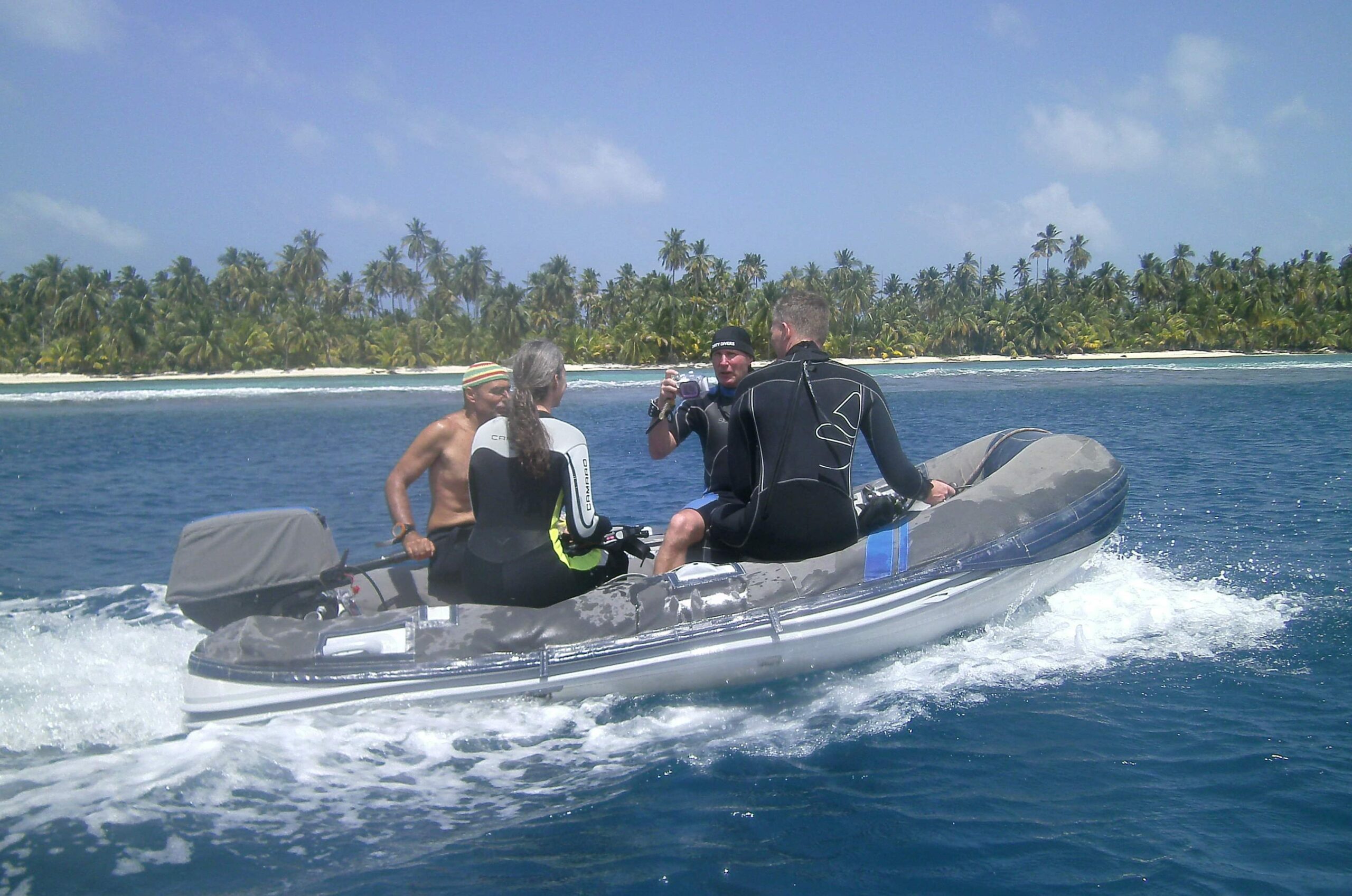 To the diving grounds by motorboat
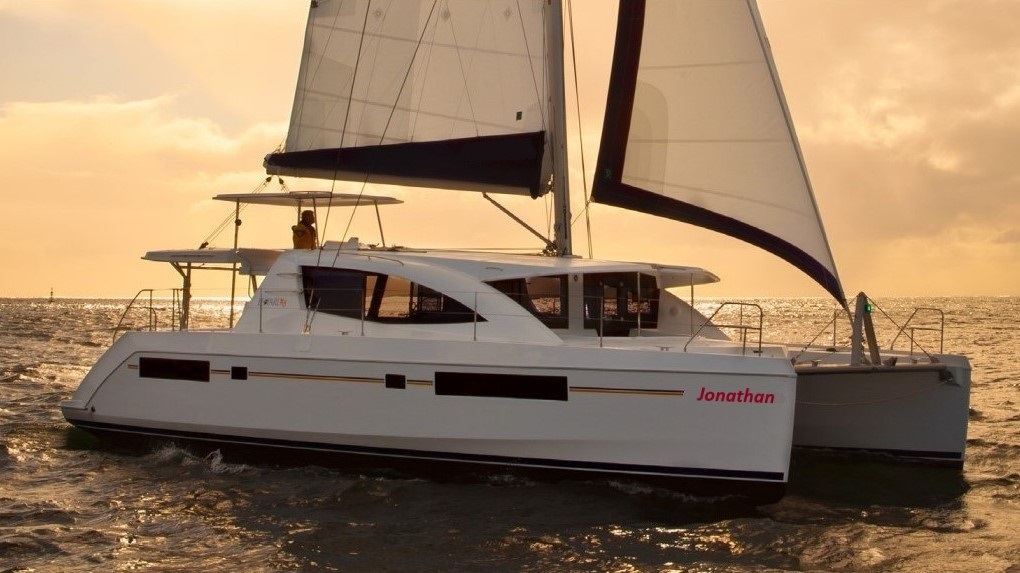 With JONATHAN to remote diving grounds
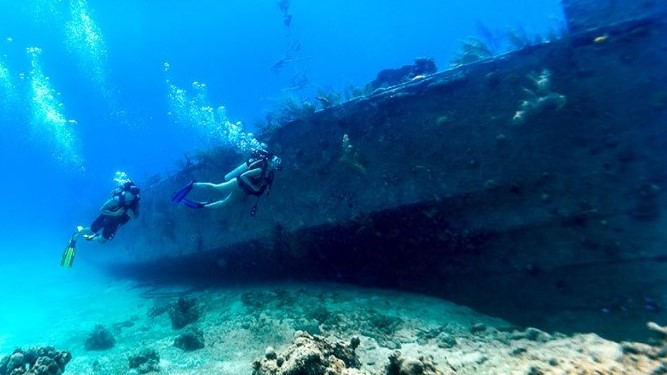 Wreck diving
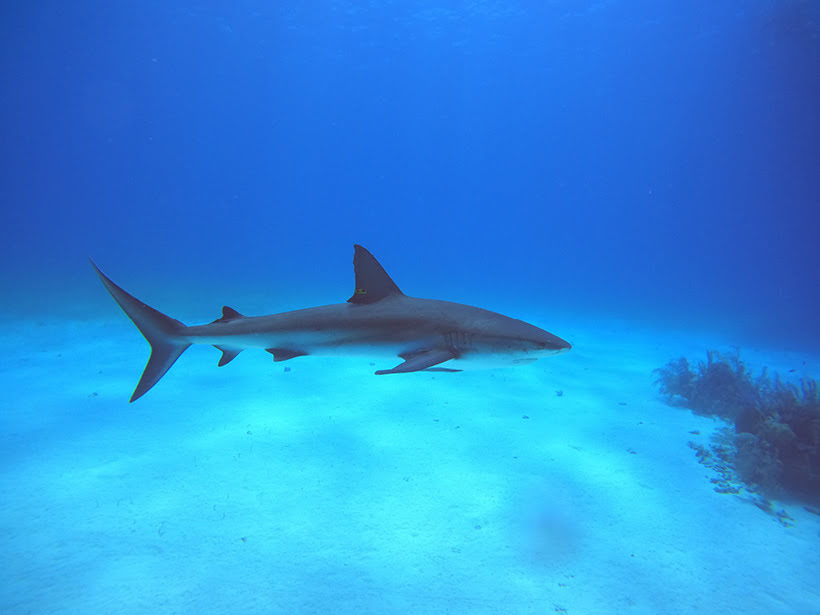 Blacktip reef shark
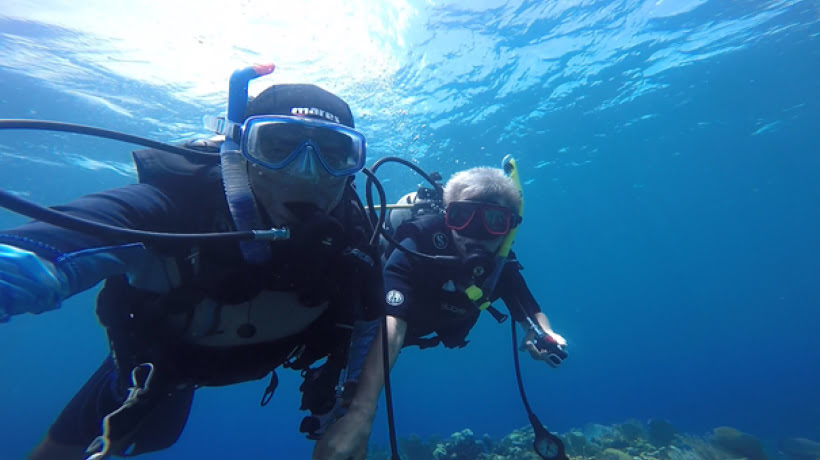 Divers
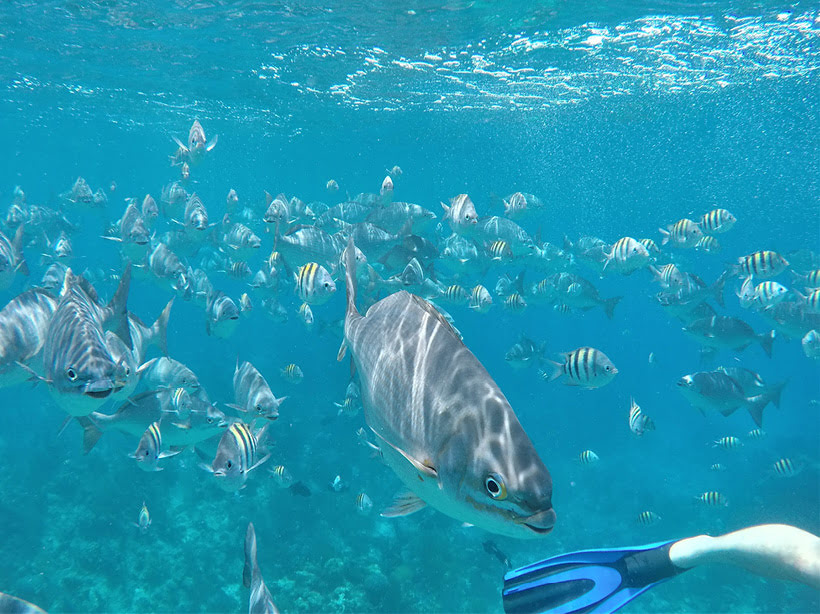 Bermuda Jacks
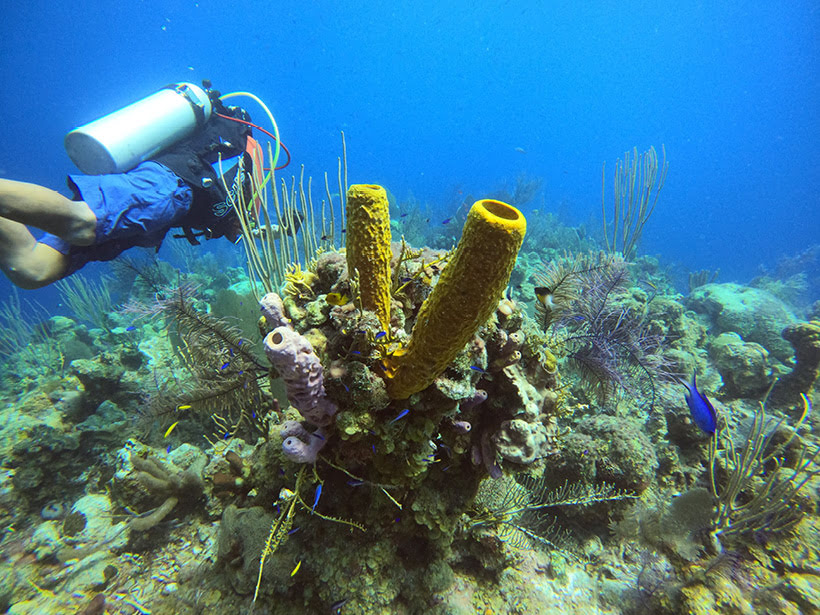 Tube sponge
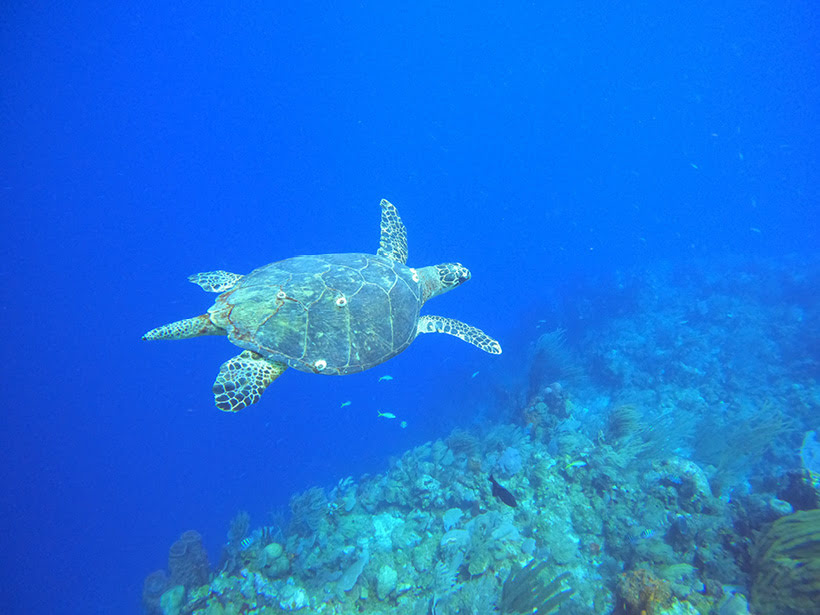 Turtle
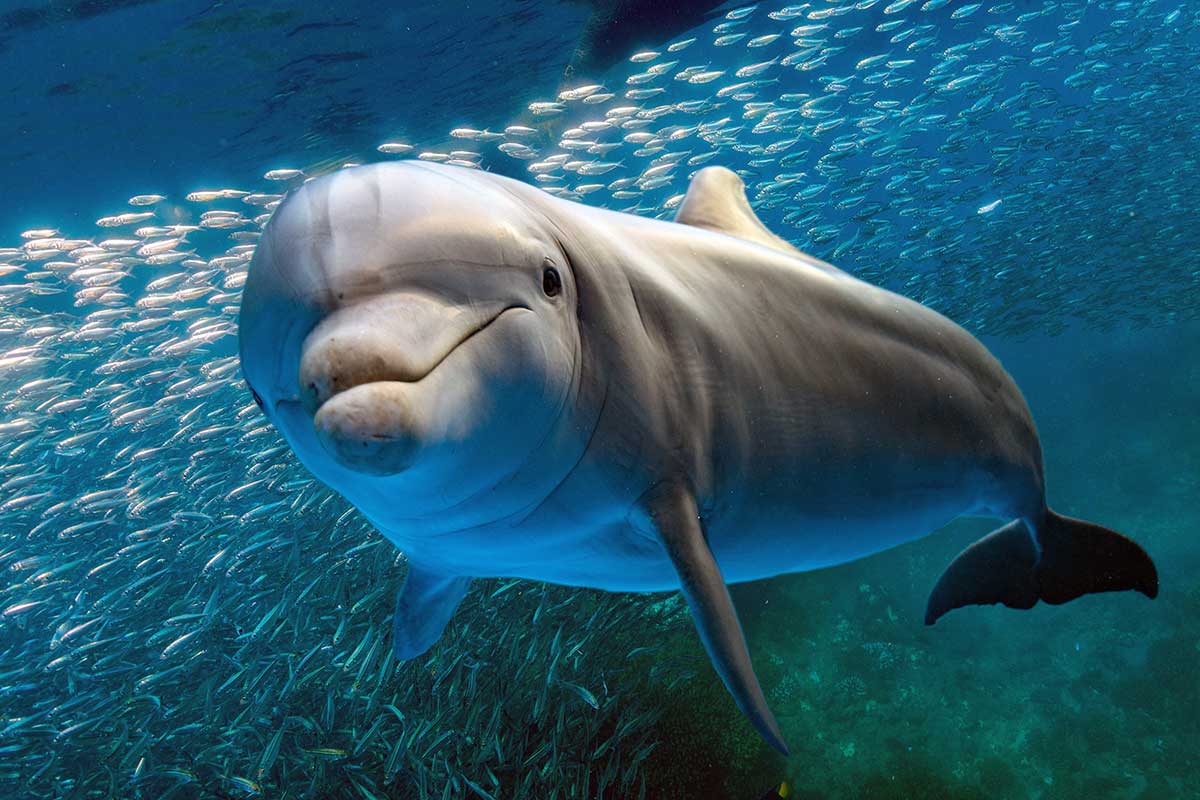 delfin
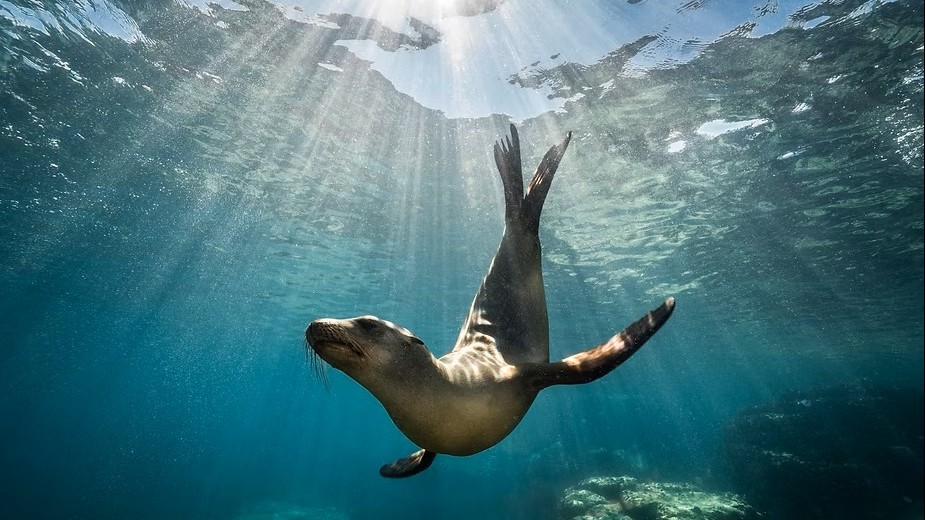 Seelöwe in Baja Califonria
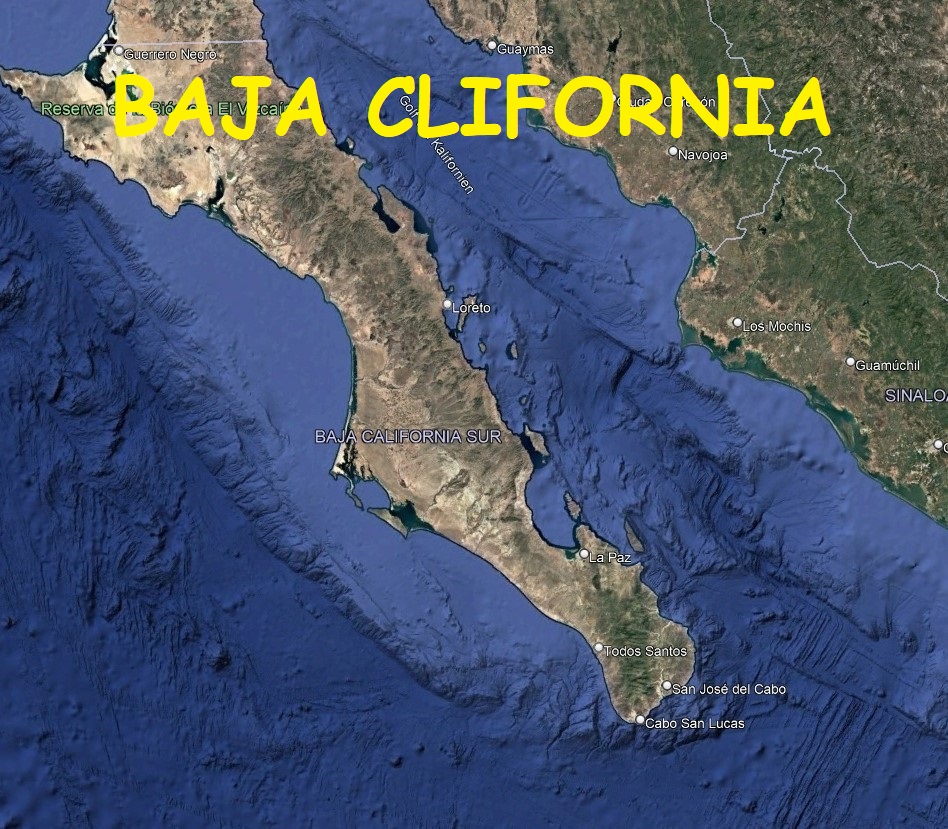 Tauchen in der Baja California
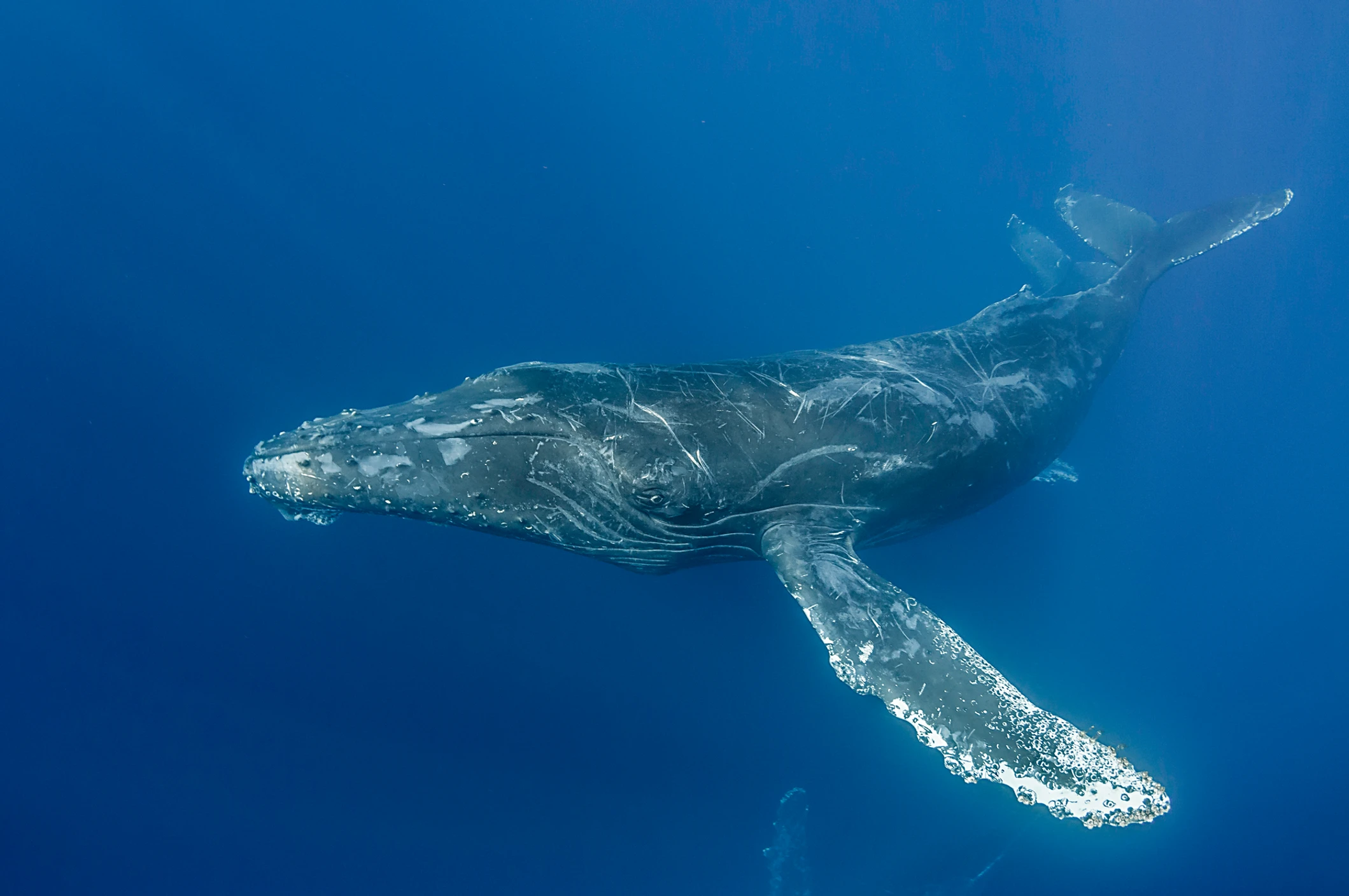 Wal Baja California